Now available on Amazon
The Constitution of Coexistence
A Three-Voice Architecture for Metropolitan Governance
Millions of people share watersheds, housing markets and transit corridors that ignore municipal lines, yet the way we govern them was designed for another century. This book argues that better coordination is not enough. It proposes a working constitution with three voices: population, territory, and an Indigenous Borough with its own foundations.
Buy on Amazon · Paperback and Kindle
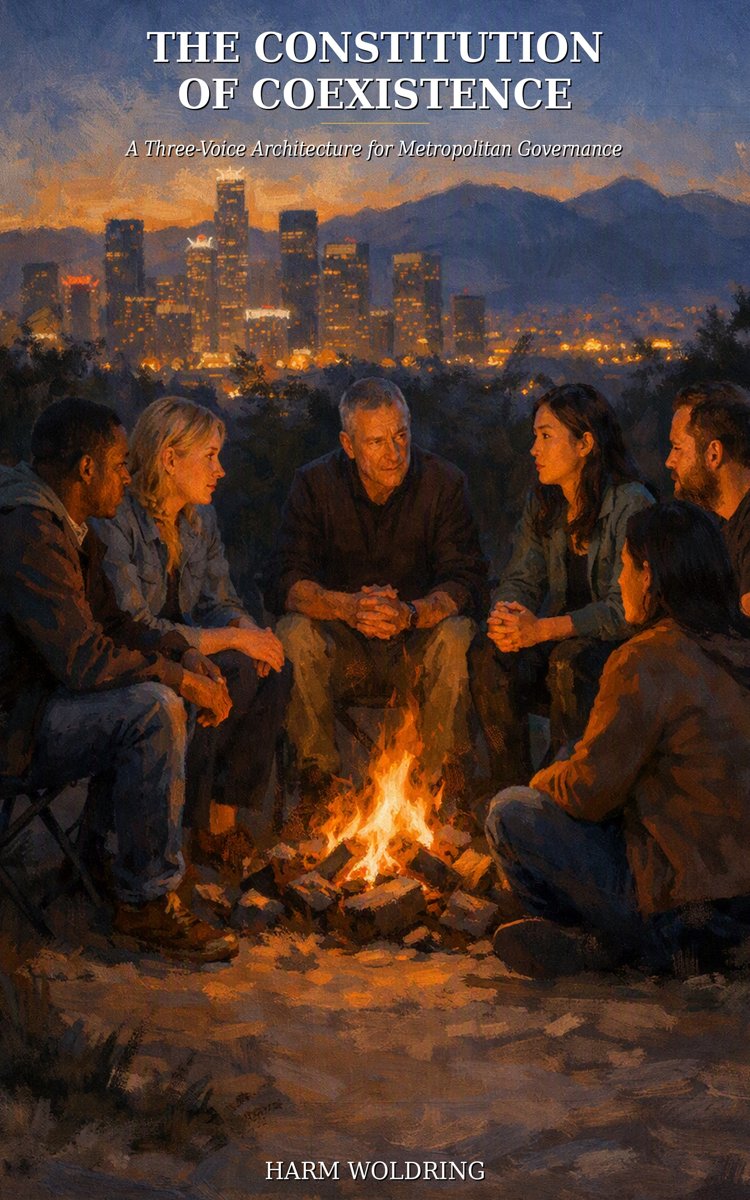
Three voices, one region
Metro Vancouver is a dog with twenty-one heads, each pulling toward its own bowl. Its body was put together seven generations ago, without the forethought Indigenous peoples would have brought to the table, and everyone who lives here inherits its shortcomings. This book proposes a constitution that lets the region move as one, guided by three voices instead of twenty-one competing ones.
1
The Population Chamber
Representation by people, so the region's decisions reflect where its residents actually live.
2
The Territorial Chamber
Representation by place, so smaller communities are not simply outvoted by larger ones.
3
The Indigenous Borough
Indigenous jurisdiction recognized as a legal order that predates the state, with structural standing drawn from Haudenosaunee governance principles.
About the author
"I solve problems and find solutions other people don't see."
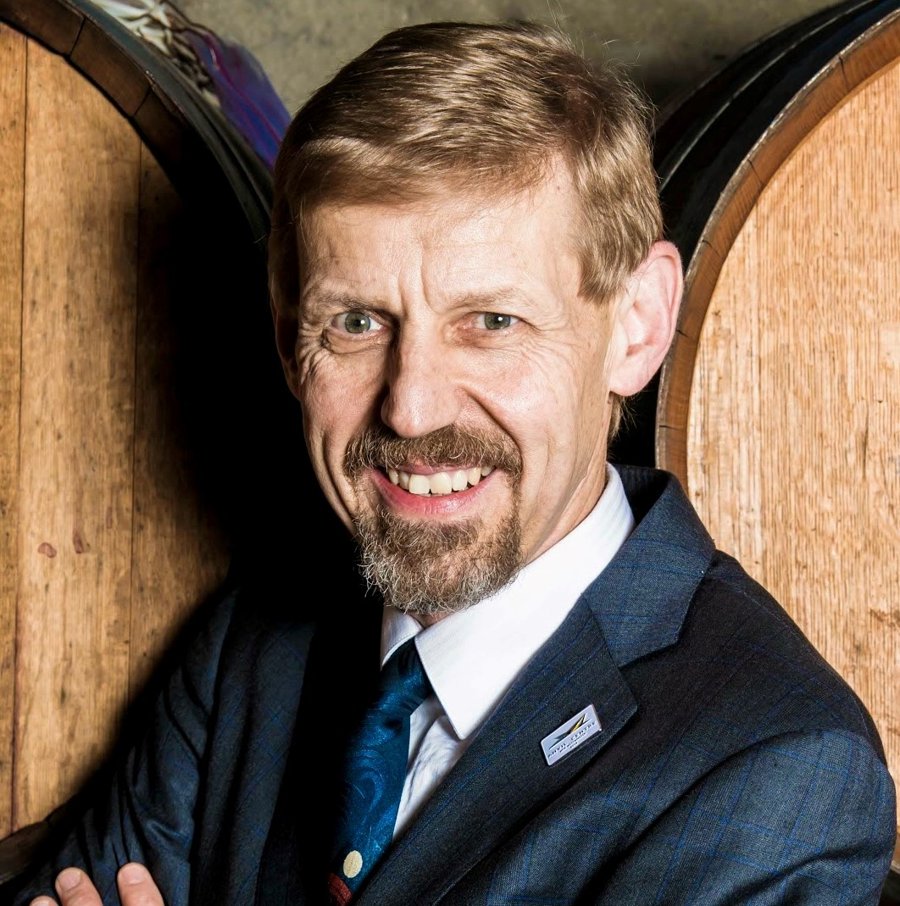
Harm Woldring is an author and serial entrepreneur based in Port Coquitlam, British Columbia, with a career that spans more than 55 years. He founded Parkcrest Child Care Society and led it for over two decades, helped create a self-serve retail fixture at Johnson & Johnson that became a global standard, and has served on volunteer boards for more than 60 years. Today he is founder and chair of The Tool Village and president of the Royal City Curling Club.
Read the full storyWriting
Books and essays on how regions govern themselves, and the ideas behind them.
See the booksWork
Five decades of companies founded, built and led, from consumer products to child care to technology.
See the recordNow
The Tool Village for Canadian tradespeople, the Royal City Curling Club, and what's next on the desk.
See current projects